
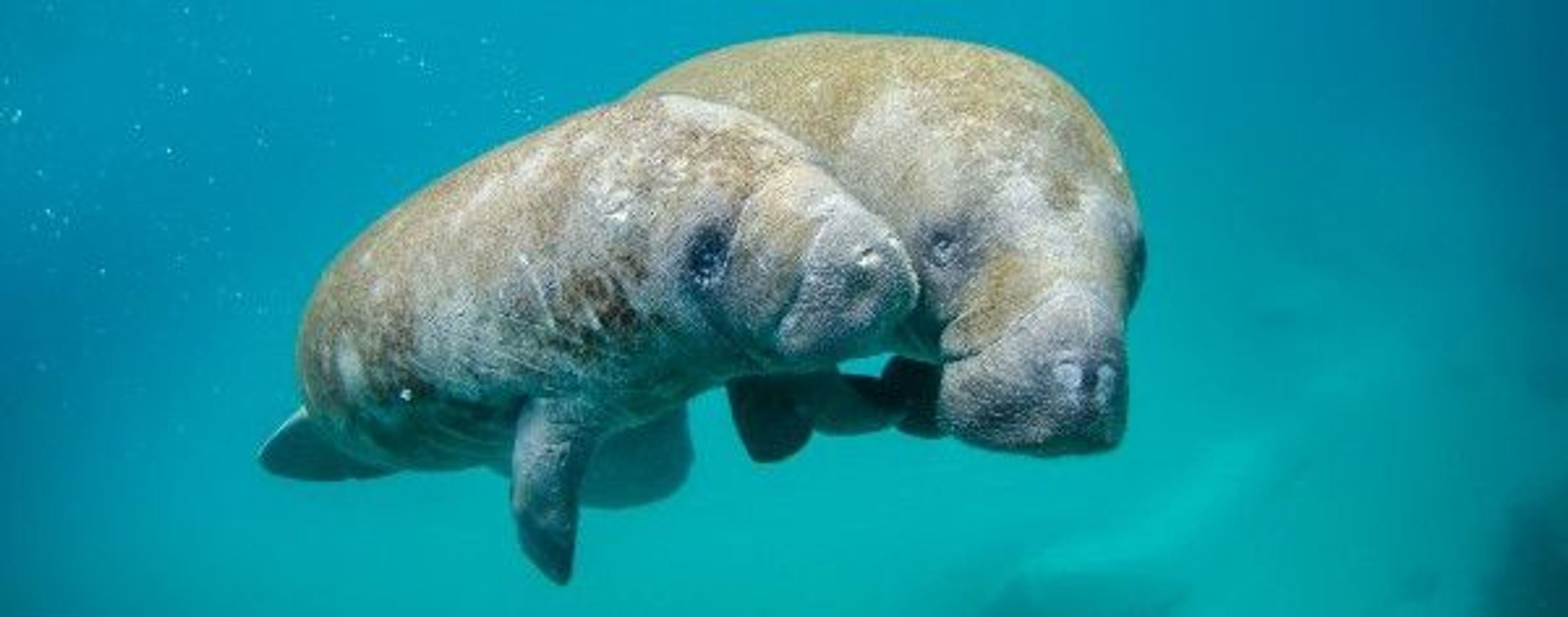
Florida’s gentle manatees are one of the most beloved creatures in our waterways — and for good reason. Their slow, graceful movements and curious nature make them a highlight for paddlers, swimmers, and nature lovers alike. But these peaceful giants are vulnerable, and many of the pressures they face come directly or indirectly from us. Understanding how we impact them will help protect both these animals and the environments they depend on.
Before looking at the impact we make on a manatee’s life and ecosystem, let’s understand more about why they are important.
A tour we think you'll love

Manatee Discovery Tour
Why Protecting Manatees Truly Matters
It’s easy to assume that manatees are “doing fine now.” After all, people see them more often, news headlines sometimes highlight population increases, and they’re no longer listed as endangered. But that perception hides a much more fragile reality.
Manatees are still struggling and the margin for error is incredibly small.
Manatees Are Ecosystem Caretakers
Manatees aren’t just gentle giants, they’re essential to the health of Florida’s waterways. As herbivores, they graze on seagrass and aquatic vegetation, helping keep these underwater meadows balanced and productive.
Healthy seagrass beds:
-
Stabilize sediments and improve water clarity
-
Provide habitat for fish, crustaceans, and invertebrates
-
Act as nurseries for countless marine species
When manatees feed naturally, they prevent overgrowth and promote regrowth, keeping the ecosystem resilient. A decline in manatees often signals bigger environmental problems, like poor water quality or habitat collapse.
Protecting manatees means protecting the entire web of life that depends on these waters, including us.
Slow Reproduction Means Every Loss Matters
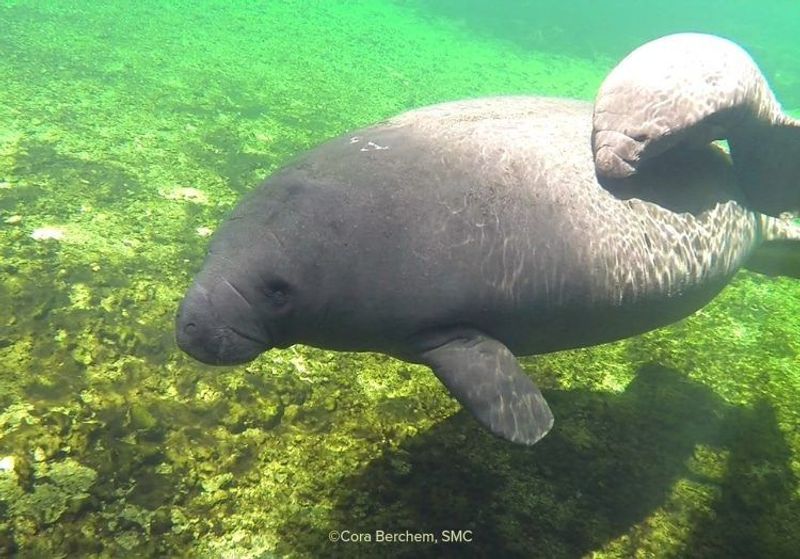
One of the most misunderstood facts about manatees is how slowly they reproduce.
-
A female manatee gives birth to one calf every 3–5 years
-
Gestation lasts about 12 months
-
Calves depend on their mothers for up to two years
-
Not all calves survive to adulthood
This means that population recovery is extremely slow, even in ideal conditions. When a single adult female is killed by a boat strike or repeated stress, the loss isn’t just one animal, it’s multiple future generations that will never exist.
Mortality Rates Are Still Too High
While population estimates have improved over the years, mortality rates remain alarmingly high, especially from human-related causes such as:
-
Boat collisions
-
Habitat degradation
-
Cold stress and starvation
-
Chronic disturbance and stress
Even in years with higher population counts, deaths can quickly outpace births. A few bad seasons or severe winters, harmful algal blooms, or increased boat traffic can erase years of progress.
The idea that manatees are “out of danger” creates complacency and complacency is dangerous for a species that lives so close to human activity.
Manatees Live Where We Play
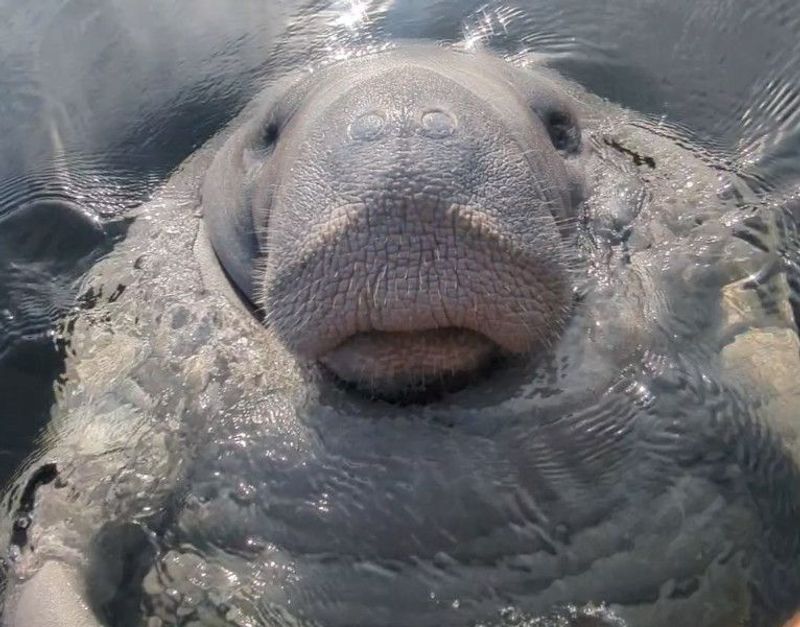
Unlike many wild animals, manatees don’t live far from people. They share:
-
Busy boating channels
-
Springs and rivers popular with swimmers
-
Shallow coastal areas used for paddling, fishing, and recreation
That overlap makes them especially vulnerable but it also gives us a powerful opportunity. Our daily choices on the water can either add pressure or create protection.
Now that we understand how valuable manatees are to our world, let’s look at all the major ways we put pressure on their environment and what we can do to improve their lives.
1. Separation of Mom and Calf
Manatee calves stay close to their mothers for up to two years, learning migration routes, where to find warm water, how to find food, and how to behave in their world. When human activity — loud motors, swimmers, or careless boat traffic — pushes mother and calf apart, it can be more than stressful: it can be dangerous. A calf that becomes disoriented uses up precious energy trying to rejoin its mother and may struggle just to survive if it gets too far away.
This separation often happens when curious people approach manatees too closely, disrupting their natural behavior and forcing moms to flee with calves in tow. It’s important to note that if a mom and her calf gets separated, it is entirely possible that they won't find each other again at which point the calf will die.
This is so sad and so avoidable, if we are mindful of our interactions with the manatees.
2. Feeding Manatees

It might seem harmless or even kind to feed manatees lettuce or other treats — but it’s actually one of the worst things we can do. Wild manatees have specific diets and rely on seagrass and other aquatic plants that offer the nutrients they need. Human food not only lacks those nutrients, it:
-
Teaches manatees to associate people with food.
-
Alters their natural foraging habits and social patterns.
-
Increases the chances they’ll approach boats or swimming areas seeking a handout.
Because of this, feeding wild manatees is prohibited in Florida and breaking that rule doesn’t just harm the animals, it changes their behavior in dangerous ways.
3. Boaters & Watercraft — The #1 Human Threat
One of the leading causes of manatee injury and death is collisions with boats and personal watercraft. Manatees move slowly and spend most of their time near the surface in shallow water, making them hard to spot from a speeding craft. Even experienced boaters can miss a manatee until it’s too late.
Propeller cuts, blunt-force injuries, and repeated encounters cause visible scars on many manatees. In fact, nearly all adult Florida manatees bear boat-related scars. National Wildlife Federation
What is even worse than the visible scars, is the immediate damage that can be caused. Even though they have heavy bones, they are quite brittle which can make a hit by a motor boat a fatal incident.
Why this keeps happening:
-
Speeding through shallow, manatee-rich waters.
-
Not slowing down in marked manatee zones or no-wake areas.
-
Ignoring seasonal behavior patterns and areas where manatees gather.
4. Etiquette Matters: Respecting Their Space
Human interaction, intentional or not, can stress manatees in real time. Getting too close, trying to touch them, loud noises or circling them in kayaks or paddleboards can:
-
Cause manatees to swim away abruptly.
-
Interrupt resting, breathing, or feeding patterns.
-
Increase their stress levels and energy use.
Even pleasant-sounding tours can become harassment if participants don’t maintain proper distance and quiet. FWC rules explicitly prohibit harassing, touching, or chasing manatees because it interferes with their natural activities.
A startled manatee isn’t just inconvenienced, it’s burning energy it needs for survival.
5. Getting Spooked = Lost, Exhausted, Disoriented

Manatees, like most wildlife, want peace and predictability. When sudden movements, loud engines, or too many people are nearby:
-
Manatees may rush to escape.
-
They may leave productive feeding grounds.
-
They can accidentally separate from their group or calves.
This disruption might not even be visible to us but it costs the animals energy they can’t afford, especially in the winter months when the cold weather causes them to expend even more energy.
Most people think manatees are slow, but they can actually reach 20 mph in short spurts. This can get them in trouble when they have to flee and the adrenaline will cause them to swim too far away to make it back into warmer waters and they will freeze to death.
6. Wider Environmental Pressures That Tie Back to Us
While direct human–manatee interactions are the most obvious, other indirect effects compound the problem:
-
Habitat loss and pollution: Development and runoff reduce water quality and damage seagrass beds, which is the manatee’s primary food source. Friends of Manatee Lagoon
-
Climate-related effects: Unusual weather events like cold spells and harmful algal blooms can make survival harder. Wikipedia
-
Trash and fishing gear: Marine debris can entangle manatees or injure them. Ocean Conservancy
These environmental stresses make the impacts of boats, disturbance, and interaction even more serious.
Did you know that we lost over 1200 manatees from 2020-2022 in the Indian River Lagoon due to starvation? This came about because of algae bloom.
What We Can Do to Protect Manatees

It’s not all doom and gloom. There are clear, practical ways we can help support healthy manatee populations, starting with how we behave out on the water and in their spaces.
1. Always Respect Their Space
-
Keep a safe distance.
-
Never touch, chase, or feed wild manatees.
-
Let them choose to approach you, not the other way around.
Even calm, quiet observations should respect their comfort zone.
2. Follow the Boating Rules
-
Slow down in marked manatee zones.
-
Look and listen carefully when navigating shallow water.
-
Obey seasonal speed limits.
This saves lives and it’s something every boater can do right now.
3. Reduce Pollution & Protect Habitat
Small changes on land have big effects in water:
-
Cut down on fertilizer, pesticides, and lawn runoff.
-
Support efforts to protect seagrass beds.
-
Reduce plastic and dispose of fishing gear responsibly.
Healthy habitat is as crucial as safe waterways.
4. Spread Awareness
Often, harm comes from people not knowing better. Sharing accurate information with friends, family, and fellow outdoor lovers means more people help, not hurt.
5. Support Conservation Efforts
Local groups, research funds, and habitat-protection initiatives are all part of securing the future for manatees. Whether you volunteer, donate, or simply learn and share, you contribute to solutions.
Protection Is About Responsibility, Not Restriction
Protecting manatees doesn’t mean people can’t enjoy Florida’s waterways. It means choosing respect over interference, awareness over assumptions, and patience over proximity.
When we:
-
Slow down boats
-
Give manatees space
-
Avoid touching or feeding
-
Stay calm and predictable in the water
we give these animals the best possible chance to survive and to continue playing their quiet but critical role in Florida’s ecosystems.
A Better Future for Manatees Starts With Us
Manatees aren’t just beautiful animals to encounter, they’re indicators of healthy waterways and ecosystems. When we care for their world, we care for our own. Thoughtful behavior, mutual respect, and good stewardship make our shared Florida waters a safer, more vibrant place for everyone, manatees included.
Let’s be part of that positive change together.
Want to learn more about ways to get involved with the protection of Florida manatees? Check out the Save The Manatee Club for resources and information about their adoption program.

Venture Outdoors is a Guardian Guide through Save The Manatee Club, so you can rest easy when you hire us to take you out on the water that you have chosen a guide who has the best interests of manatees and all wildlife in mind.
Want to get a close up look at how Manatees live in the wild?